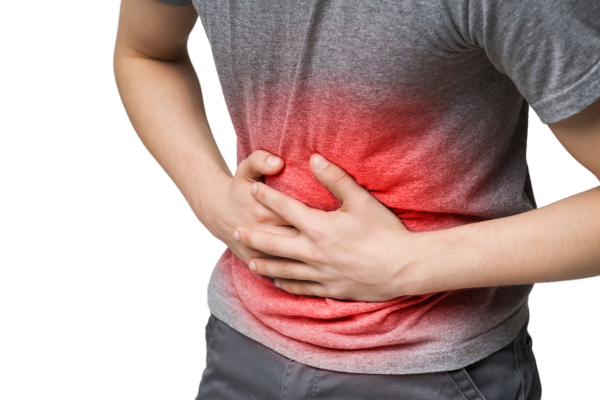
What is Pain Management?
Pain management is a specialized approach to diagnosing, treating, and alleviating different types of pain, whether acute or chronic. It involves a combination of medical treatments, therapies, and lifestyle modifications to reduce discomfort and improve the quality of life for individuals suffering from pain-related conditions. Pain can result from injuries, surgeries, nerve damage, inflammation, or underlying medical conditions such as arthritis, migraines, or fibromyalgia.
Effective pain management strategies may include medications, physical therapy, nerve blocks, acupuncture, and lifestyle changes such as exercise and stress reduction. Treatment strategies may involve anti-inflammatory drugs, nerve stimulation, massage therapy, cognitive behavioral therapy, or alternative methods such as yoga and meditation to enhance pain relief and restore mobility.
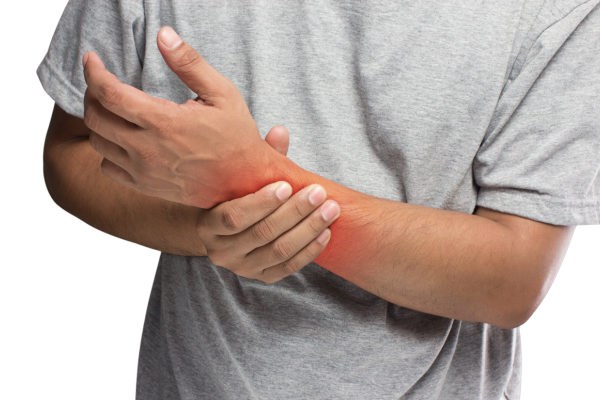

Causes of Pain:
- Injury-Related Causes: Trauma or Accidents – Falls, car accidents, fractures, or sprains can cause acute pain.
- Musculoskeletal Causes: Arthritis and Joint Disorders – Osteoarthritis, rheumatoid arthritis, and gout cause joint pain and stiffness.
- Neuropathic (Nerve-Related) Causes: Nerve Compression – Sciatica, carpal tunnel syndrome, or herniated discs put pressure on nerves, causing sharp pain.
- Inflammatory and Autoimmune Causes: Inflammatory Conditions – Lupus, fibromyalgia, and inflammatory bowel diseases (IBD) cause widespread pain.
- Headache and Migraine-Related Causes: Tension Headaches – Stress, poor posture, or dehydration leads to persistent head pain.
- Chronic Pain Conditions: Cancer Pain – Tumors pressing on nerves, bones, or organs cause severe pain.
Symptoms of Pain:
- Burning or Tingling Sensation – Often linked to nerve-related conditions such as diabetic neuropathy or shingles.
- Physical Symptoms: Sharp or Stabbing Pain – Sudden, intense pain often associated with injuries, nerve damage, or migraines.
- Dull or Aching Pain – Persistent discomfort common in conditions like arthritis, muscle strains, and fibromyalgia.
- Cramping or Spasms – Muscle contractions causing sharp pain, often due to dehydration, poor circulation, or menstrual cramps.
- Radiating Pain – Pain that spreads from one area to another, such as sciatica radiating from the lower back to the legs.
- Increased Sensitivity to Touch (Hyperalgesia) – Heightened pain response to normally mild stimuli, common in neuropathic pain.