What is a Migraine?
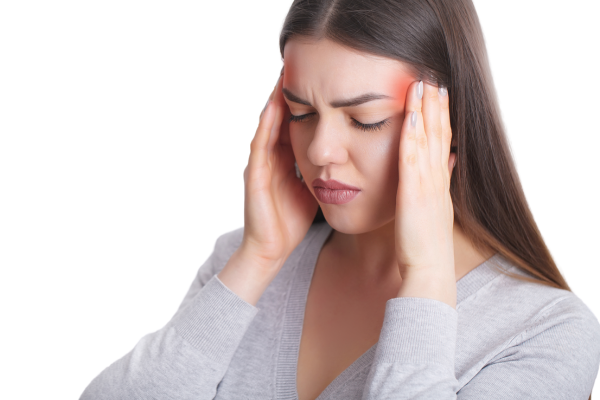
A migraine is a neurological condition characterized by intense, throbbing headaches, usually affecting one side of the head. It is often accompanied by nausea, vomiting, and extreme sensitivity to light, sound, and smells. In some cases, individuals may also experience visual disturbances (aura), dizziness, or difficulty concentrating.
Migraines can last for a few hours to several days, significantly impacting daily activities and overall quality of life. The severity and frequency of migraines vary from person to person, with some experiencing occasional attacks, while others suffer from chronic migraines occurring multiple times a month. While the exact cause of migraines is not fully understood, they are believed to be linked to abnormal brain activity, neurotransmitter imbalances (such as serotonin), and changes in blood flow to the brain.

Causes of Migraine:
- Physical exertion – Intense exercise, heavy lifting, or sudden strenuous activities may cause exertion-related migraines.
- Hormonal changes – Fluctuations in estrogen, especially in women, can trigger migraines.
- Dietary triggers – Processed foods, caffeine, alcohol, and skipping meals may contribute.
- Environmental factors – Bright lights, loud noises, and strong smells can provoke migraines.
- Weather changes – Sudden changes in temperature or air pressure may lead to migraines.
- Stress and anxiety – Emotional stress and tension can lead to migraine attacks.
- Sleep disturbances – Lack of sleep or irregular sleep patterns can trigger migraines.
- Genetic factors – Family history of migraines increases the risk.
Symptoms of Migraine:
- Restlessness or agitation – Feeling fidgety, anxious, or unable to relax before or during a migraine attack.
- Throbbing headache – Usually affects one side of the head but can occur on both sides.
- Visual disturbances (Aura) – Flashing lights, blind spots, or zigzag patterns may appear.
- Tingling or numbness – Often felt in the face, hands, or arms before or during a migraine.
- Fatigue and confusion – Difficulty concentrating and extreme tiredness after an attack.
- Sensitivity to light and sound – Bright lights and loud noises can worsen symptoms.
- Frequent yawning – Unexplained excessive yawning often occurs before a migraine starts.
- Nausea and vomiting – Common symptoms that accompany migraine attacks.