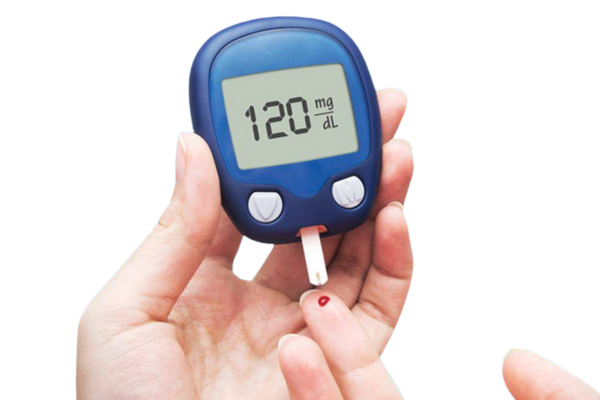
What is Diabetes Management?
Infectious diseases are caused by harmful microorganisms such as bacteria, viruses, fungi, and parasites. These diseases can spread from person to person, through contaminated food or water, insect bites, or exposure to infected surfaces. While some infections are mild and self-limiting, others can be severe or even life-threatening if not treated promptly. When this process is disrupted, glucose accumulates in the bloodstream, resulting in high blood sugar levels (hyperglycemia).
Over time, uncontrolled diabetes can lead to severe health complications, affecting multiple vital organs. Certain infections, if left untreated, can lead to chronic complications, affecting vital organs such as the lungs, liver, kidneys, heart, and nervous system. In immunocompromised individuals, infections may become recurrent or severe, requiring specialized medical intervention.


Types of Diabetes:
- Type 1 Diabetes – An autoimmune condition where the immune system attacks insulin-producing cells in the pancreas, leading to little or no insulin production. It usually develops in childhood or early adulthood.
- Type 2 Diabetes – A condition where the body becomes resistant to insulin or does not produce enough insulin. It is commonly associated with lifestyle factors such as obesity, poor diet, and lack of exercise.
- Gestational Diabetes – Occurs during pregnancy due to hormonal changes that affect insulin function. It usually resolves after childbirth but increases the risk of developing Type 2 diabetes later.
- MODY (Maturity-Onset Diabetes of the Young) – A rare, hereditary form of diabetes caused by a genetic mutation affecting insulin production. It typically develops in adolescence or early adulthood but differs from Type 1 and Type 2 diabetes.
Causes of Diabetes:
- Obesity – Excess body fat, especially around the abdomen, contributes to insulin resistance.
- Unhealthy Diet – High intake of processed foods, sugary drinks, and refined carbohydrates can lead to high blood sugar levels.
- Lack of Physical Activity – Sedentary lifestyle reduces insulin sensitivity and contributes to weight gain.
- Hormonal Imbalances – Certain conditions like Polycystic Ovary Syndrome (PCOS) can increase the risk of diabetes.
- Stress & Sleep Disorders – Chronic stress and poor sleep patterns can disrupt blood sugar regulation.
- Genetic Factors – Family history of diabetes increases the risk