What is Fever?
Fever is a temporary rise in body temperature, usually due to an underlying infection or illness. It is a natural immune response that helps the body fight off infections by making it less hospitable for bacteria and viruses. A normal body temperature ranges between 97°F (36.1°C) and 99°F (37.2°C), and a fever is generally considered when the temperature exceeds 100.4°F (38°C). Fever can be caused by a variety of factors, including viral and bacterial infections, inflammatory conditions, autoimmune diseases, and even certain medications or vaccinations. While mild fevers are usually harmless and resolve on their own, persistent or high fevers may indicate a more serious condition requiring medical attention.

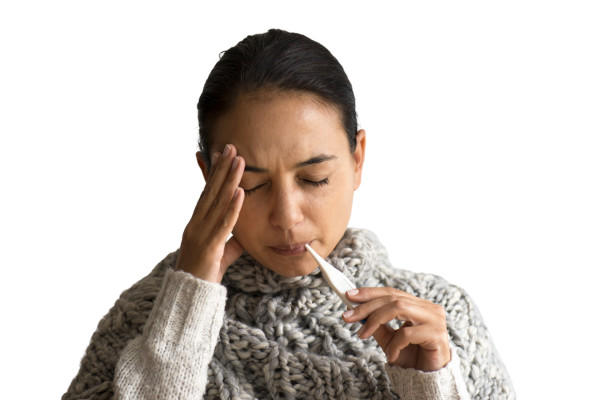
Causes of Fever:
- Post-Surgical Infections – Fever may develop after surgery due to infections at the incision site or internal complications.
- Autoimmune Disorders – Conditions such as lupus and vasculitis can cause chronic or recurrent fevers.
- Heat Exhaustion or Heatstroke – Overexposure to high temperatures can lead to fever-like symptoms.
- Blood Disorders – Conditions like hemolytic anemia and sickle cell disease can result in periodic fever episodes.
- Gastrointestinal Infections – Food poisoning, stomach flu, and Helicobacter pylori infections may cause fever.
- Sepsis – A life-threatening infection that spreads throughout the body, leading to high fever and severe complications.
Symptoms of Fever:
- Heavy or irregular menstrual periods – Disrupts menstrual cycle and increases bleeding.
- Skin rashes – May appear if fever is caused by viral infections like measles or dengue.
- Nausea or mild stomach discomfort – Often seen in infections that trigger fever.
- Headache and dizziness – Common when fever is accompanied by dehydration.
- Increased heart rate (tachycardia) – The body works harder to fight infection.
- Dehydration – Dry mouth, reduced urination, and fatigue due to fluid loss.
- Sweating excessively – The body's way of cooling down after a fever spike.
- Irritability and restlessness – More common in children experiencing fever.
- Swollen lymph nodes – Especially around the neck, armpits, or groin.